
The big systems
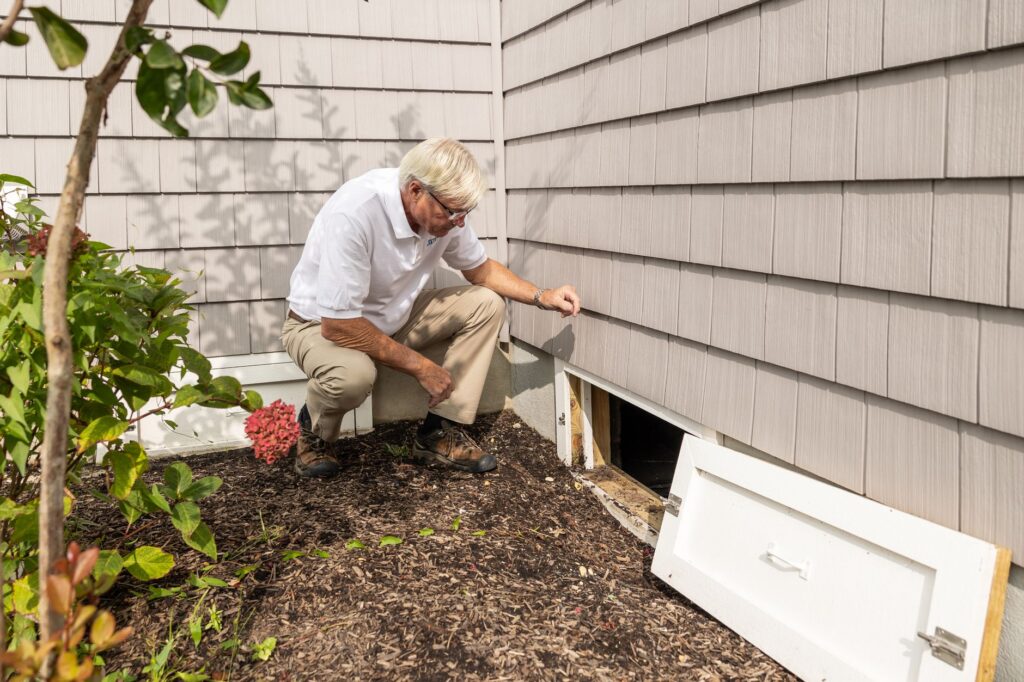
A home inspector spends two to three hours examining the foundation, roof, plumbing, electrical, heating, and cooling systems. They’re looking for structural damage, water intrusion, code violations, and safety hazards. In the Okanagan, inspectors pay close attention to basements and crawlspaces, where moisture and settling are common concerns given our freeze-thaw cycles and the clay soils common around Kelowna.
The roof is always a critical item. An inspector will check for missing or damaged shingles, flashing around chimneys and vents, and the overall condition of the frame. They can’t predict how many years a roof will last, but they can spot problems that will need attention soon.
Plumbing and water
If your home is on well water, the inspector will note the system but won’t test the water quality. That’s a separate process that most buyers arrange independently. The inspector checks for leaks, water pressure, proper drainage, and whether the plumbing is original, updated, or a mix. Older homes in downtown Kelowna might still have galvanized pipes, which inspectors will flag as a future replacement cost.
Electrical and heating
The inspector tests outlets, light switches, and the main panel. They’re checking for code compliance and safety hazards, not counting outlets or assessing your electricity bill. For heating, they’ll run the furnace or heat pump and look for obvious problems, but they can’t assess efficiency or predict when a system will fail.
What inspectors don’t do
Home inspections are not termite inspections, mold assessments, or radon tests. They don’t move furniture or tear into walls. They won’t measure square footage or verify that the house meets current building code throughout, though they’ll note obvious violations. If you’re buying a property with questions about mold, pests, or radon, you’ll need to arrange separate testing.
After the inspection, the report typically highlights three categories: items that need immediate attention for safety, items that will need replacement or repair within a few years, and items that are fine but worth knowing about. In our market, buyers often negotiate repairs or price adjustments based on inspection findings. If you’re buying or selling in the Okanagan and want to talk through what to expect from an inspection, let me know.